
Living near the coast has plenty of appeal, but the Wirral's exposure to sea air, salt spray and stronger prevailing winds puts extra demands on a roof compared to properties further inland. Homeowners in coastal areas of the Wirral often find their roofs need attention a little more frequently than friends or family living in more sheltered spots, and understanding why can help with planning maintenance before small issues turn into bigger, more expensive ones.
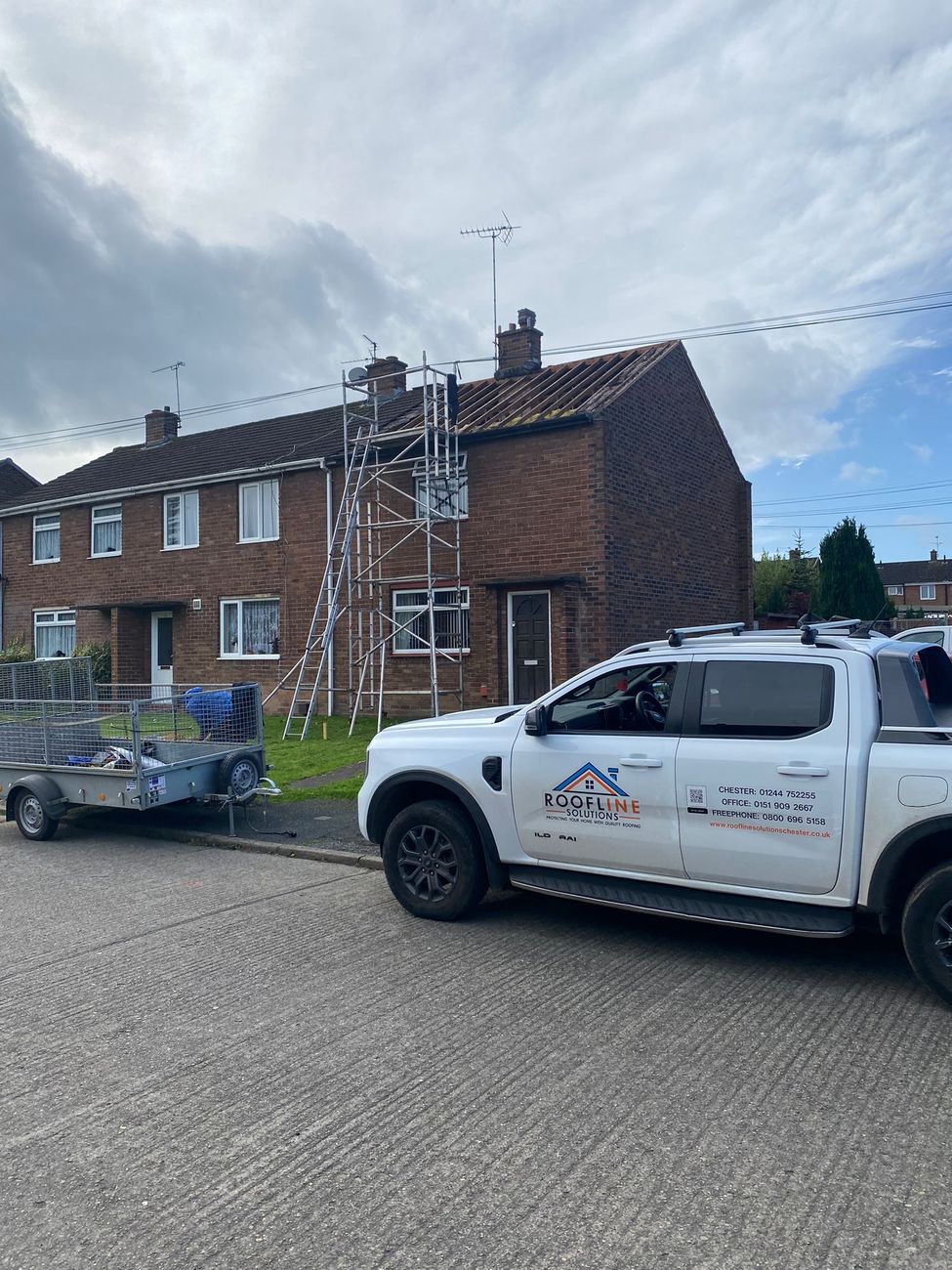
Salt is one of the biggest factors. Airborne salt from sea spray settles on roofing materials and metalwork, and over time it accelerates corrosion of fixings, nails and metal flashings far faster than would happen on a similar roof a few miles inland. Galvanised fixings that might last decades elsewhere can start corroding noticeably sooner in a coastal environment, which is often the underlying cause of tiles or slates working loose earlier than a homeowner might expect from a roof of that age.
Wind loading is the other major consideration. Coastal properties on the Wirral are more exposed to sustained high winds and storm gusts coming straight off the Irish Sea, and roofs need to be able to withstand that pressure day in, day out. Ridge tiles, hip tiles and verges — the edges of a roof slope — are particularly vulnerable, since these are the areas where wind can get underneath a covering and lift it. Mortar bedding on ridges can also crack and fail sooner in these conditions, letting water and wind get a foothold.
Guttering and rainwater goods take a battering too. Coastal storms tend to bring heavier, more driving rain, and combined with salt corrosion on fixings, gutters and downpipes on Wirral homes can need more frequent checks and clearing than those on more sheltered properties inland. Blocked or sagging guttering that would be a minor annoyance elsewhere can lead to water tracking back under the roof edge in a coastal storm, causing damage that's disproportionate to the original fault.
There's also the matter of paint and sealant finishes on fascias, soffits and flashings, which tend to weather faster in salty, humid coastal air. What looks like a cosmetic issue — flaking paint or a perished sealant joint — is often an early warning sign that a fixing or flashing beneath it is starting to fail, and it's worth taking seriously rather than treating it as purely appearance-related, since the underlying material is usually further along in its deterioration than the surface suggests. Even UPVC fittings, which are generally low maintenance, can become brittle sooner in constant salt-laden wind than manufacturers' typical lifespans would suggest.
None of this means a coastal roof on the Wirral is destined for constant repairs, but it does mean these properties generally benefit from more regular checks than homes further inland, particularly after winter storms roll in off the sea. Choosing corrosion-resistant fixings and well-suited materials when repairs are carried out can make a real difference to how long they last in a salt-exposed spot, rather than simply replacing like-for-like each time. Roofline Solutions carries out a good number of inspections and repairs on coastal properties across the Wirral and can advise on materials and fixings better suited to a salt-exposed location. If your home sits close to the coast and hasn't had a roof check recently, it's worth arranging one before the next spell of stormy weather arrives.
Get a Free Roofing Quote in Chester & The Wirral
Every roof is different — the fastest way to get an accurate answer is a quick chat with our team.