When a roof starts causing problems — a leak, a handful of slipped tiles, damp patches appearing in a bedroom — the natural question is whether it needs a repair or whether it's time to think about a full replacement. It's not always a straightforward answer, and it depends on more than just what you can see from the ground. Getting this decision right matters, both for your budget and for avoiding repeated call-outs for the same underlying problem. Rushing into either option without a proper assessment can mean paying for work that either doesn't fix the issue or goes further than it needed to.
Age is one of the biggest factors. A roof that's ten or fifteen years old and otherwise sound is usually a good candidate for a targeted repair, since most of the covering still has plenty of life left in it. A roof pushing thirty, forty or more years, particularly one that's had several repairs already, is a different story — at that point, further patching can end up being a series of short-term fixes that cost more over time than simply starting again with a new, properly guaranteed roof. It's worth asking, honestly, how many times you're prepared to call someone out for the same recurring issue before a bigger job starts to make more financial sense.
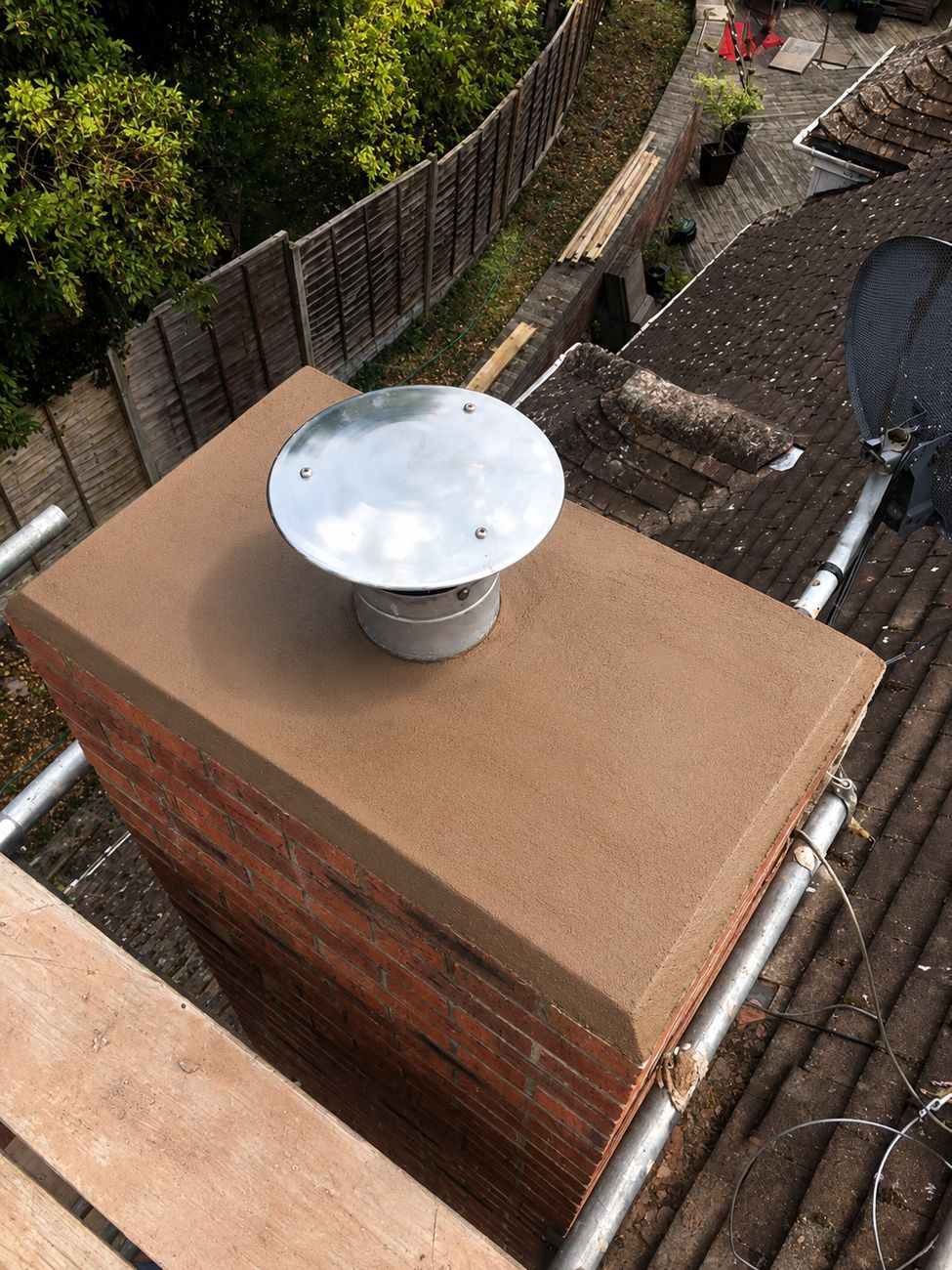
The extent of the damage matters just as much as its age. A localised issue — a cracked tile, a single area of failed flashing around a chimney, a small section of damaged felt — is exactly the kind of thing a repair is designed to fix, and doing so promptly can prevent a much bigger job later. Widespread problems, on the other hand, such as tiles failing across multiple areas of the roof, sagging sections, or repeated leaks in different places, usually point to the roof covering reaching the end of its useful life as a whole, where patching one area often just shifts the problem elsewhere.
It's also worth looking beneath the surface, since what's happening under the tiles or slates can change the calculation considerably. If the roofing felt underneath has perished, if timbers have rotted, or if there's evidence of long-term water ingress into the roof structure, a repair on the surface won't address the real problem. In these cases, a new roof — or at least a substantial re-roof of the affected section — tends to be the more sensible long-term option, even if the upfront cost is higher, because it deals with the cause rather than just the symptoms.
Chester's mix of period terraces, Victorian villas and newer estate housing means roofing needs can vary considerably from one street to the next, and the right decision for a 1980s semi won't necessarily be right for a Victorian terrace with original timbers. On the Wirral, coastal exposure can accelerate wear on fixings and flashings, which sometimes tips the balance towards replacement sooner than you'd expect on a similar but more sheltered property. Budget always plays a part too, and a good roofer should be able to set out the realistic costs and expected lifespan of both options so you can make an informed choice rather than a rushed one.
The best way to know for certain is to have someone experienced take a proper look, both at the roof covering and at what's happening underneath it. Roofline Solutions carries out honest assessments across Chester and the Wirral, and will always recommend a repair over a full replacement where that's genuinely the right call for your roof.
Get a Free Roofing Quote in Chester & The Wirral
Every roof is different — the fastest way to get an accurate answer is a quick chat with our team.