
Roof inspections are one of those things that are easy to put off, largely because a roof that isn't leaking feels like a roof that doesn't need attention. In reality, regular inspections are what catch small problems while they're still cheap and simple to fix, and the right frequency depends on a combination of your roof's age, its material, and the particular weather conditions it's exposed to in Chester or on the Wirral.
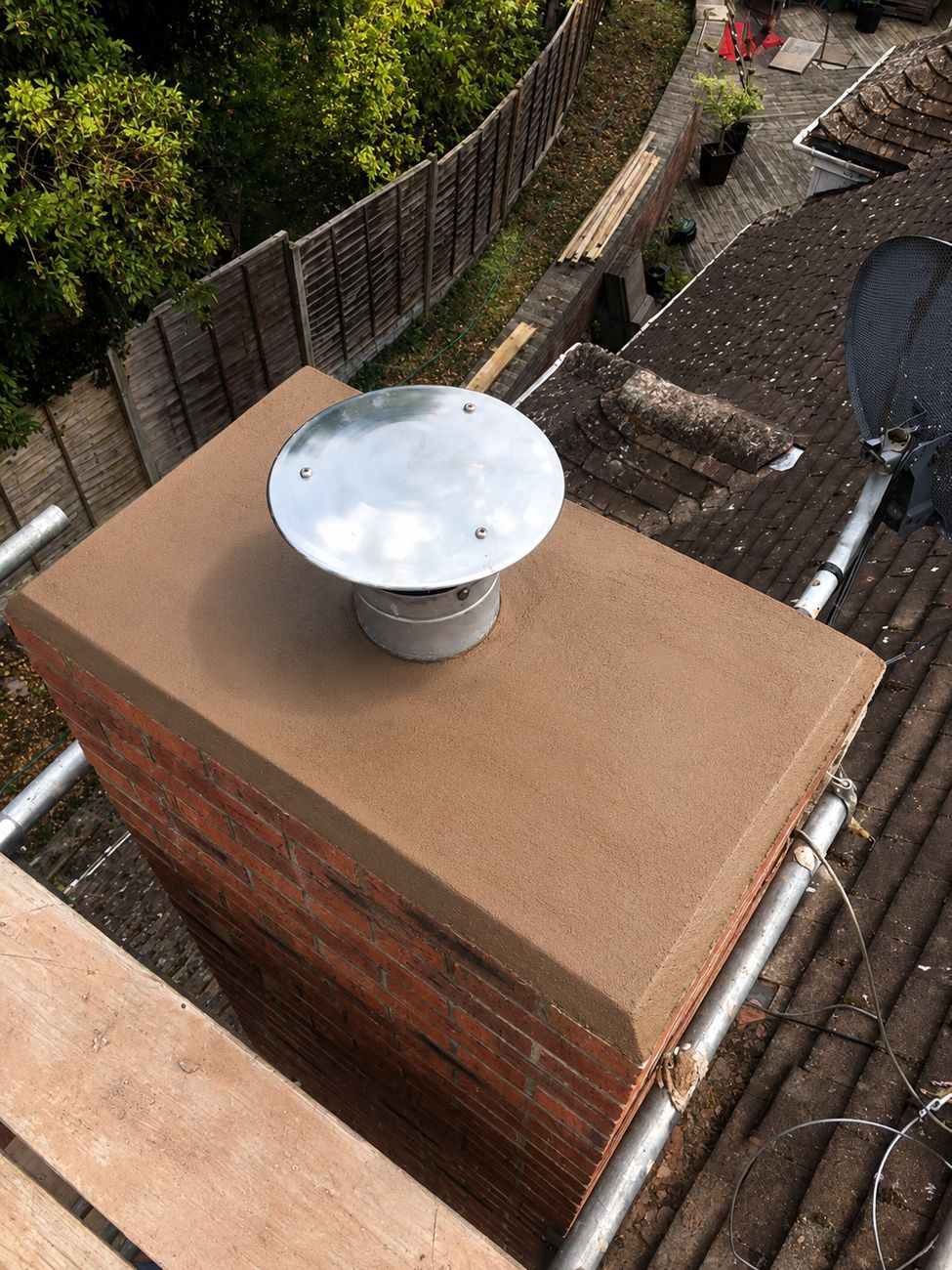
As a general guideline, most homeowners should have their roof professionally inspected once every one to two years, even if nothing appears to be wrong. This is enough to catch gradual wear such as loosening tiles, deteriorating flashing or early moss growth before it turns into a leak. Older properties, particularly the Victorian villas and period terraces common across Chester, often benefit from more frequent checks — closer to annually — simply because original timber, lead work and pointing have had longer to age and are more prone to gradual failure.
Newer estate housing with modern tiles and underlay can usually stretch to inspections every two years without much added risk, provided nothing unusual has happened in the meantime. That said, age of the roof isn't the only factor. Properties on the Wirral facing direct coastal exposure tend to experience faster wear on fixings and flashing because of salt-laden air and stronger prevailing winds, which is a good reason to lean towards the more frequent end of the schedule even on a relatively young roof.
Beyond the routine schedule, certain events should always trigger an inspection regardless of when the last one took place. A significant storm with high winds, particularly the kind that regularly sweeps in off the Irish Sea and across the Wirral peninsula, can dislodge tiles or damage flashing even on a roof that was previously in excellent condition. Similarly, any time you notice a ceiling stain, a draught in the loft, or debris such as tile fragments or granules in the gutters, it's worth arranging an inspection rather than waiting for the next scheduled one.
It's also sensible to have a roof inspected before and after any major work nearby, such as scaffolding being erected for an extension, or before buying or selling a property, since a roof survey at that stage can prevent nasty surprises later. Gutters and flashing in particular are worth a specific check each autumn, since blocked gutters going into winter are one of the most common causes of avoidable water damage. It's worth keeping a simple record of when each inspection took place and what, if anything, was found, since this makes it much easier to spot patterns over time — for example, whether the same section of flashing keeps needing attention, which might point to a more permanent fix being worthwhile rather than repeated small repairs. A written record is also useful if you come to sell the property, as it shows prospective buyers that the roof has been properly looked after. For flat-roofed extensions or garages, which are common additions on both Chester and Wirral properties, a slightly more frequent check is sensible, since flat roofing materials such as felt or EPDM tend to show wear, such as ponding water or perished seams, before it becomes an active leak.
If it's been more than a couple of years since your roof was last looked at, or you've had recent stormy weather, now is a sensible time to get it checked. Roofline Solutions offers roof inspections across Chester and the Wirral and can let you know honestly whether everything is in good order or whether something needs addressing.
Get a Free Roofing Quote in Chester & The Wirral
Every roof is different — the fastest way to get an accurate answer is a quick chat with our team.