
Chester's mix of period terraces, Victorian villas and newer estate housing means roofing needs can vary considerably from one street to the next — and the Wirral's exposure to coastal weather adds another layer to consider. Salt-laden winds, driving rain off the estuary and the sheer age of some housing stock combine to create a fairly predictable list of problems that turn up again and again on roofs across the area. Knowing what to look out for can save homeowners a great deal of money and stress, because most roofing issues start small and only become expensive once they've been left unchecked for a season or two.
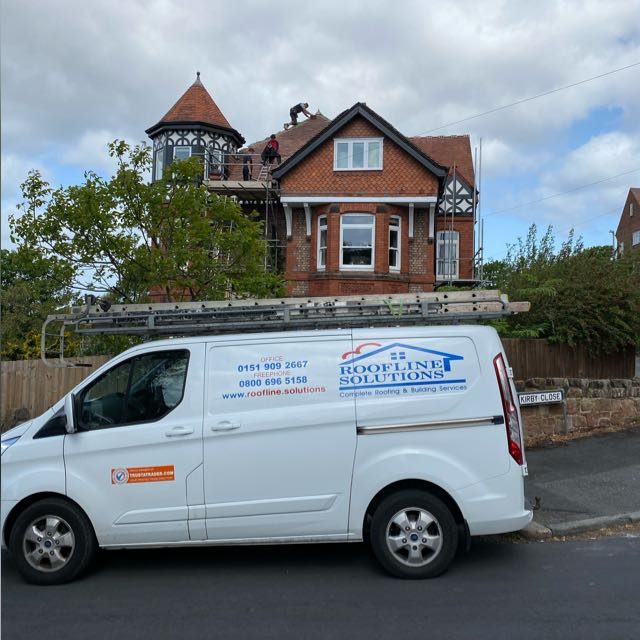
The single most common problem is slipped or cracked tiles and slates. Wind loading during autumn and winter storms is often enough to lift a tile that has already been loosened by age or poor original fixing, and once one slips, water can track underneath the surrounding tiles and cause damp patches that appear well away from the actual gap. Close behind this is damaged flashing, particularly around chimneys, dormer windows and roof-to-wall junctions. Lead flashing can crack, lift or corrode over time, and it's one of the most frequent sources of leaks on older Chester properties where the original lead has simply reached the end of its working life.
Blocked or sagging gutters cause a surprising amount of secondary damage. When leaves, moss and general debris build up, water has nowhere to go except over the edge and down the wall, which leads to damp brickwork, rotten fascias and, in colder months, ice damming that puts extra strain on the guttering system itself. Moss and lichen growth is another issue that's particularly noticeable on north-facing or shaded roofs, and while a light covering is mostly cosmetic, a thick build-up traps moisture against the tiles and accelerates their deterioration.
Flat roofs on extensions, garages and dormers bring their own set of problems, including membrane splits, ponding water and perished felt at the joints. These are especially common on older EPDM or felt roofs that were never replaced with a modern rubber system. Chimney stacks are another weak point — cracked pointing, deteriorating render and failing chimney cowls all let water into the stack, which can eventually show up as a damp patch on a bedroom ceiling several feet away from the chimney itself.
On the Wirral in particular, coastal exposure accelerates corrosion of metal fixings, staples and nails, which can lead to tiles becoming loose far sooner than they would inland. Storm damage more broadly — from ridge tiles being dislodged to whole sections of felt underlay being exposed after high winds — is something Roofline Solutions deals with regularly following bad weather. Poor ventilation in the loft space is a less visible but equally damaging problem, as trapped moisture condenses on the underside of the roof and can rot timber battens and rafters over time. Finally, ageing UPVC fascias and soffits often crack, discolour or come away from their fixings, which lets pests and moisture into the roofline even when the tiles themselves are in good condition.
If any of this sounds familiar, or you're simply not sure what condition your roof is in, it's worth getting a proper inspection rather than guessing from ground level. Roofline Solutions carries out roof assessments across Chester and the Wirral and can give you an honest, no-obligation view of what needs attention and what can safely wait.
Get a Free Roofing Quote in Chester & The Wirral
Every roof is different — the fastest way to get an accurate answer is a quick chat with our team.